
Weekly Update July Monday 12th 2021
State pension predicted to rise by 8%

Retired people could see a bumper rise in the state pension next year, according to official forecasters.
Predictions suggest that the link with earnings growth could mean an 8% rise in the amount paid from April 2022.
That would cost the government £3bn more than previously expected, according to the Office for Budget Responsibility (OBR).
But UK state pensions remain less generous than much of Europe, and are vital for millions of people.
At present:
The new flat-rate state pension (for those who reached state pension age after April 2016) is £179.60 a week
The old basic state pension (for those who reached state pension age before April 2016) is £137.60 a week
The rise in pensions each year is one of the most hotly-debated policy decisions for the government and the Treasury.
It is governed by what is known as the triple lock – a Conservative manifesto promise until at least 2024.
This means the state pension increases in line with the rising cost of living seen in the Consumer Prices Index (CPI) measure of inflation, increasing average wages, or 2.5%, whichever of those three is highest
Pension freedom is costing savers £2bn because their pots are wasting away in low-interest cash accounts
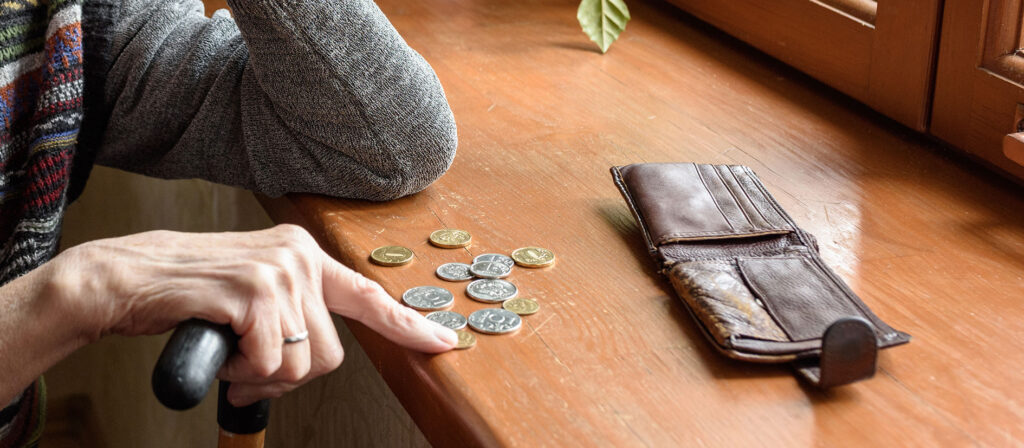
Pension savers could be losing out on £2 billion by leaving their pots to waste away in cash accounts, analysis reveals.
The pension freedoms introduced in 2015 gave savers aged 55 and over free rein of their retirement savings.
Nearly two million savers have now taken their pension out in full, according to figures from regulator the Financial Conduct Authority (FCA).
But FCA research also shows that one in three of these people is feared to have moved their money to low-interest cash accounts — meaning they will miss out on valuable returns that a pension would bring on the stock market.
Interest rates on basic cash accounts vary, but savers can currently get a top rate of just 0.5 per cent on easy-access deals.
Yet money invested in stocks and bonds could expect to return 4.4 per cent a year —meaning those who move their pension to cash lose out on 3.9 per cent growth every year.
The FCA figures show that in the period between April 2015, when the freedoms were introduced, and March last year, just over 1.7 million people took their full pension pot out in cash.
Data shows the average cashed pot was worth about £12,500.
Pension consultancy Lane Clark & Peacock (LCP) says that if, as per the FCA research, one in three of these savers moved their money to cash accounts rather than kept it invested, it would mean 555,000 people could each lose out on £3,500 in growth on average before they turn 67 — a total of £2 billion.
LCP says the problem could be tackled by allowing savers to access their 25 per cent tax-free lump sum while leaving the rest invested as a pension.
Currently, the remaining 75 per cent has to be moved into a drawdown account.
The consultancy also says savers should be alerted to the threat to the value of their pension cash — with inflation now at 2.1 per cent, money in an account paying 0.5 per cent interest will decrease in real value by 1.6 per cent every year.
Laura Myers, a partner at LCP, says: ‘Savers who withdraw their entire pension pot and move most of it into a cash account are at risk of seriously damaging their wealth.
‘Interest rates on cash accounts are currently well below the rate of inflation, meaning money left in such accounts for the long-term will steadily erode in value.
The attraction of tax-free cash is well understood but it should be much easier for savers to leave the rest of their money behind inside the pension where it will continue to be invested for growth until they need it.’
Steve Webb, partner at LCP, adds: ‘Putting money in a cash account can seem safe, but the only thing that is guaranteed at the moment is that you will see your spending power decline year after year.
‘For those who have already used their freedom to take their pension pot in full, more needs to be done to alert them to the real losses they will suffer if they park their savings in a cash account.
‘Unless things change, hundreds of thousands more people could find they are not making the best use of their hard-earned savings.’
Over-50s fear retirement poverty

The ‘Finances after 50 2021’ report, commissioned by SunLife, surveyed 3,000 adults aged over 50 about their savings and investment habits and found a significant proportion feel financially insecure about later life.
The report found that only 20 per cent of respondents are confident they have enough in their savings, pensions and investments for when they leave work, while 32 per cent worry they do not have enough money to get by.
While the proportion of people over 50 with a private pension has increased by 3 per cent since 2019 and the average pension pot has risen to £166,579 in 2021 from £141,712 in 2019, 25 per cent of those surveyed reported they had no private or company pension to supplement their income during retirement, SunLife found.
Of that 25 per cent, the majority said they will either be entirely reliant on the new state pension of £9,300 a year (£179 a week) as their main source of income, or plan to continue working to fund themselves later on in life.
“Not having enough to get by” was cited as the main reason for financial worries in the future, followed by concerns over having a pension shortfall in second place, and fears around not being able to pay bills in third.
Ian Atkinson, SunLife’s marketing director, commented: “The past year has impacted so many of us but it’s also given many a moment’s pause to reflect on our finances and indeed our retirement prospects.
“Many people told us they fear that they won’t have enough money to pay their bills, and some even told us they fret about not being able to support and feed their families when they give up work,” he added.
“But it’s not all doom and gloom despite the pandemic — people over 50 have on average added an extra £3,854 to their savings and investments over the past two years. The majority of adults over 50 make low-risk savings and investment decisions, with 80 per cent stashing their savings in a savings account.”
Richard Butcher, managing director at independent trustee company PTL, also said that not nearly enough is being done to prepare for the impact of an increasingly ageing society, with most of the industry massively underestimating the long-term implications and not making appropriate plans to deal with the challenges ahead.